EU-India Free Trade Agreement: Boosting trade and growth
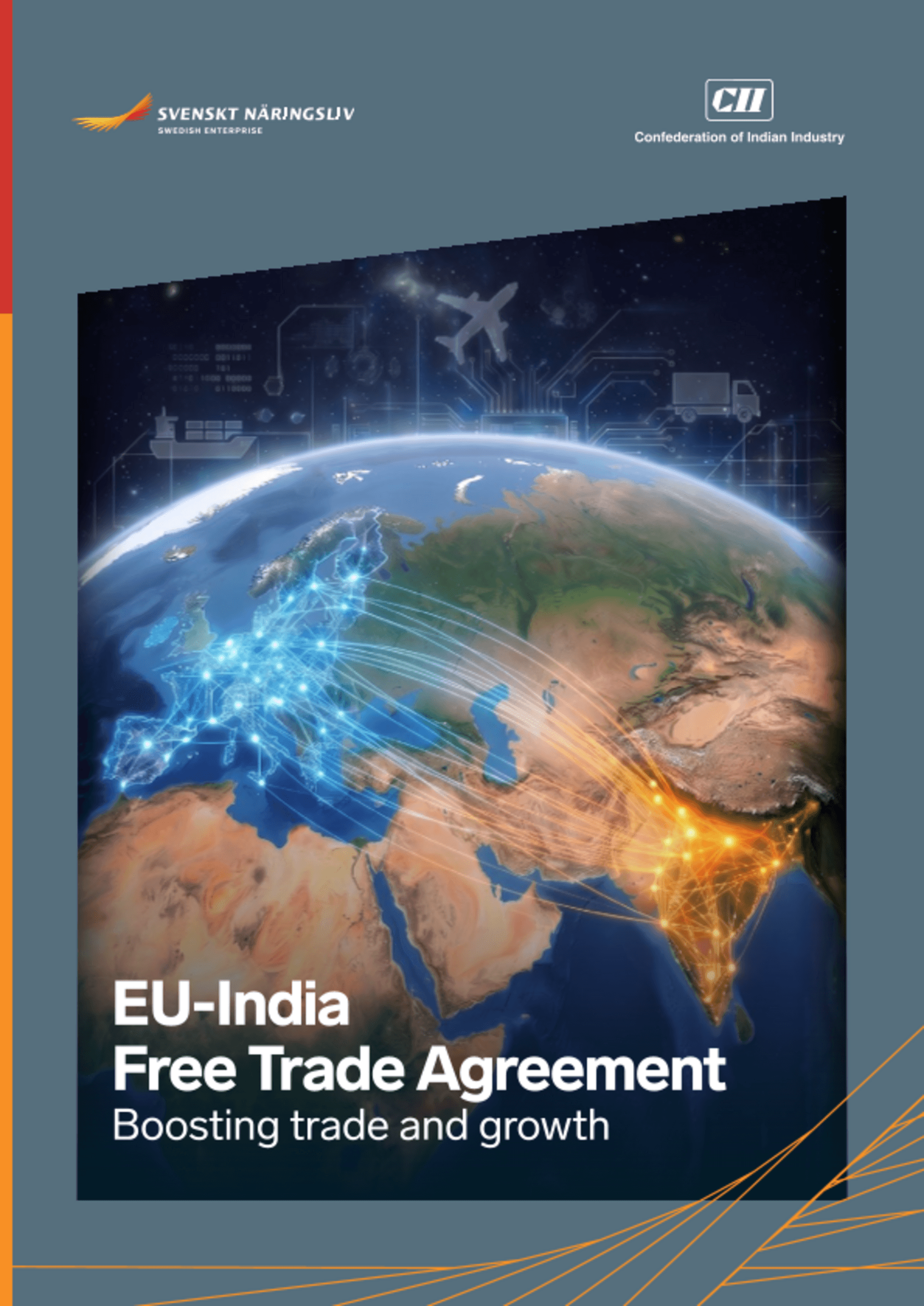
The EU–India Free Trade Agreement marks a historic step in the EU–India relationship. Offering a rules-based response to geopolitical fragmentation, uncertainty and rising protectionism, it is poised to become the EU’s most economically significant upcoming trade deal.
According to our calculations EU–India FTA is expected to generate the largest economic impact compared with the other FTAs the EU is negotiating. It is expected to increase EU trade with India by EUR 119 billion. Additionally, this will increase EU GDP by almost EUR 45 billion and raise Indian GDP by 1 percent.
India combines economic size with rapid growth, creating a large and expanding base for trade. Bringing down the relatively high trade barriers in India leads to a significant improvement in market access, boosting trade and growth. However, the agreement’s value will depend on practical implementation. In collaboration with the Confederation of Indian Indsutry, we propose that policymakers should focus on four priorities:
Make market access usable: ensure simple rules of origin, efficient customs procedures, trusted trader clearance and consistent implementation across ports and states.
Reduce regulatory friction: advance mutual recognition of product testing and certification, and continue reform of India’s Quality Control Orders.
Unlock services, talent and digital trade: implement mobility commitments predictably, recognise qualifications and improve conditions for secure data flows.
Complete the missing pillars: bring public procurement back onto the agenda and conclude the separate investment protection agreement.